|
|
|
|
|
|
|
|
|
|
|
|
Hi there, and welcome to Lab Notes, the exclusive newsletter of EngineLabs.com. Much like the name implies, this can be considered as the crib notes of the main EngineLabs website. We aim to bring you the latest and greatest in technical content, ranging from basic to advanced. This week, we're looking at the pre-oiling hydraulic lifters, Volkswagen's VR6 engine, and the debate between high-pressure and high-volume oil pumps. Regardless of your skill level, you'll likely find something interesting within the following articles as well as on the main site, EngineLabs.com. Enjoy!- Greg Acosta
|
|
|
|
|
|
|
Pre-Soaking Hydraulic Lifters: Yay or Nay?
|
|
|
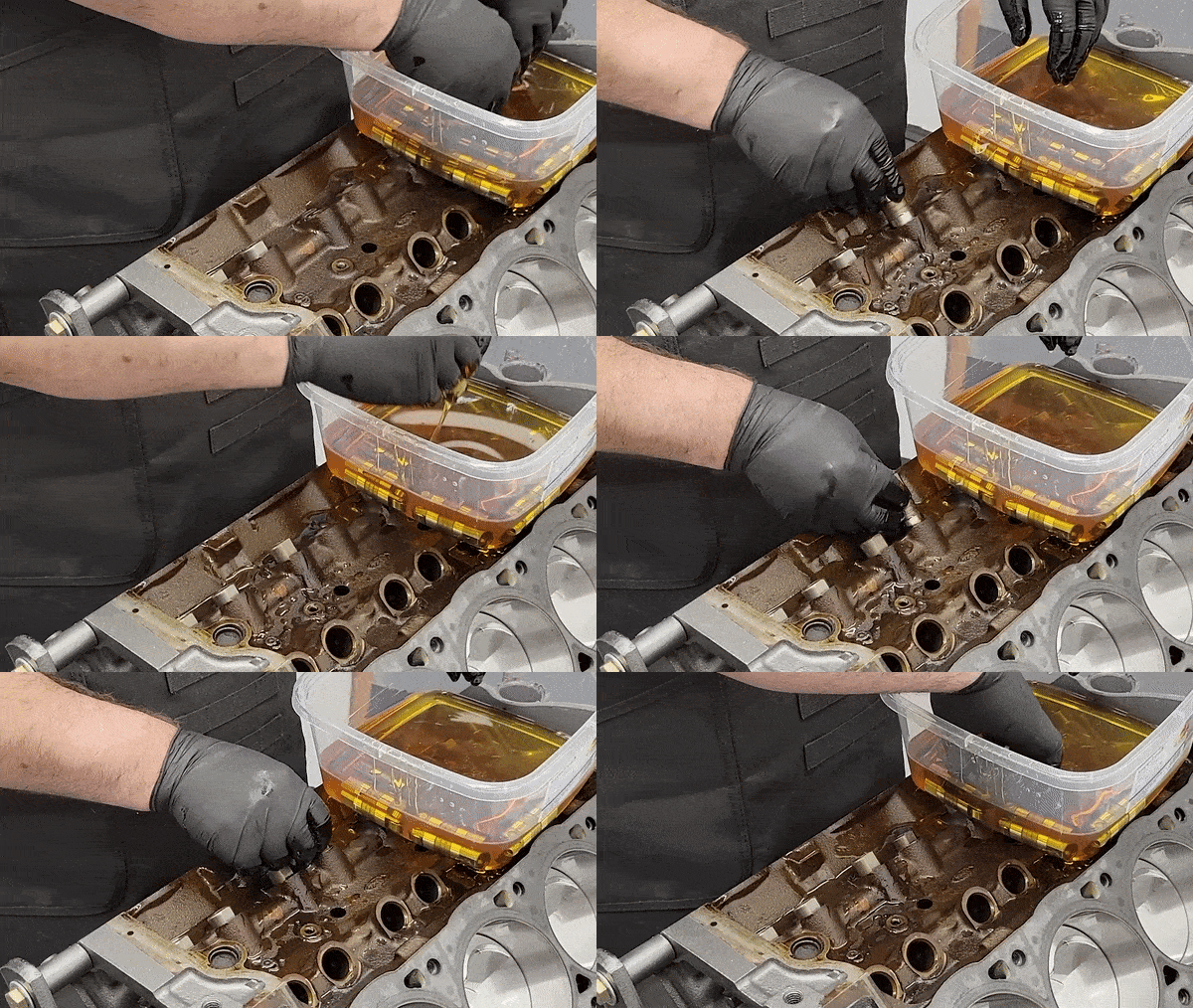
Recently, we posted a quick video on social media of inserting fresh hydraulic roller lifters into an engine from a Tupperware container full of oil. We were rewarded with an abundance of cries about how detrimental pre-soaking of hydraulic lifters is, without any actual facts, as the internet is prone to do. What we realized is two-fold: First, is it seems many of the people commenting don't understand the difference between soaking the lifters and pumping the lifters. The second is that many people seem to mistake the term "not required" with "shouldn't be."
From COMP Cams' instruction sheet: "'Pre-soaking' hydraulic lifters in a bath of engine oil is a good idea, but
not mandatory. Doing so ensures that the lifters are adequately lubricated on their outer surfaces prior to installation." Conversely, they say, "It is not necessary to 'pre-pump' hydraulic lifters full of engine oil prior to installation and valve adjustment. It is actually undesirable to do so as the “pumped-up” lifters will cause the valves to open during the adjustment process, rather than positioning the lifter plunger in its operating position as it is supposed to do."
The final answer here is simple: Soaking is a good idea (but not mandatory), but don't pump the lifters in the oil bath. That ensures the lifters are thoroughly lubricated, but can still be properly preloaded during valvetrain checking.
|
|
|
|
|
COVALENT BONDS - SPONSORED
|
|
|
|
|
|
|
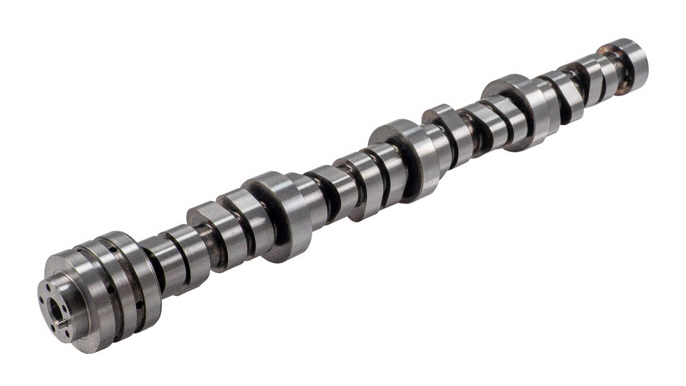
Like GM's much-maligned DOD (or AFM, or DFM) system), many enthusiasts dislike the variable displacement systems put in place to increase fuel economy and help meet CAFE standards. Chrysler's version, the Multiple Displacement System (MDS), hasn't been as problematic, but still is far from 100-percent reliable. For those looking to eliminate the MDS from their 5.7 HEMI, Melling now has an OE-replacement grind camshaft that eliminates
the MDS. The cam should also be used with Melling's non-MDS lifters. Made in the USA, Melling offers a full line of OE replacement camshafts for cars, light-duty, medium- and heavy-duty trucks. Melling listings include OEM applications to match the engine requirements desired, including horsepower, economy, and needed engine torque. Melling stock replacement camshafts are developed, engineered, tested, and manufactured with the highest standards of quality and materials.
|
|
|
|
|
|
|
|
|
|
|
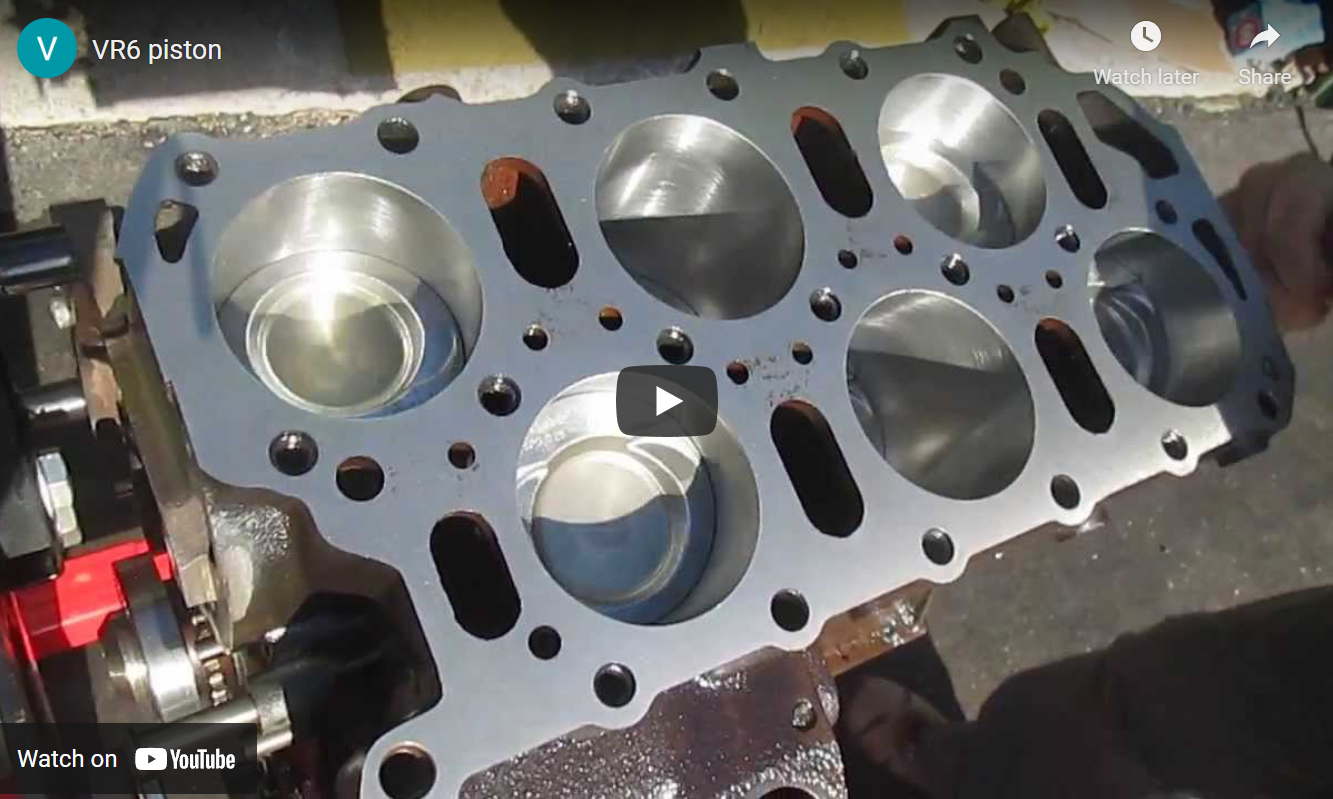
If an engine is an inline six-cylinder, how can it be a V6 as well? Well, that distinction lies right in the name of Volkswagen’s VR6. The “VR” stands for “V-Reihenmotor” (Reihenmotor being German for “inline engine”) — or simplified to English, “Inline-V engine.” Technically, the VR6 is a V6 engine, with a narrow
15-degree bank angle (along with a variant with a 10.6-degree bank angle). The “inline” naming convention (which was probably done as a marketing move to describe the engine’s compact nature) is where a lot of confusion comes in.
|
|
|
|
|
|
|
|
|
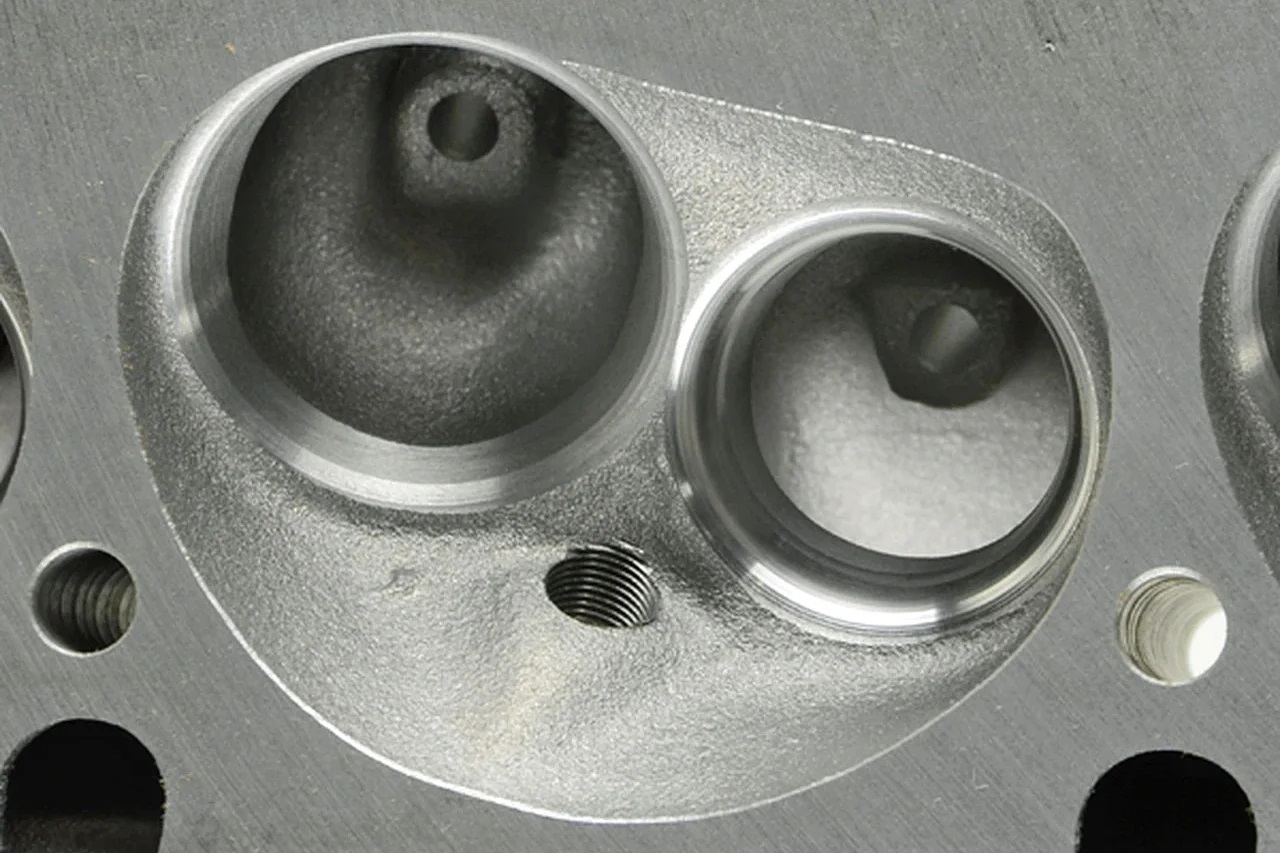
There have been many tests performed over the years trying to prove which material — iron or aluminum — will make more power. But something that needs to be addressed is that we shouldn’t look at the differences in the alloy for a power gain. We need to focus on the engine’s application to determine the material to be used for the engine build. Yes, cast-iron heads will put a few more pounds on the front of the vehicle, but will it really be noticed?
Cast-iron cylinder heads have a lot of merits when it comes to cost and durability. They have come a long way from the hand-ported OEM head of the mid-20th century. While the balance of popularity may have shifted, that hasn’t diminished the cast-iron cylinder head's abilities to make substantial power without spending a ton of money. Add in the inherent strength advantages of iron heads over aluminum, and they start to look more and more advantageous in a street-driven build, whether it’s making 400 or 1,400 horsepower.
|
|
|
COVALENT BONDS - SPONSORED
|
|
|
|
|
|
|
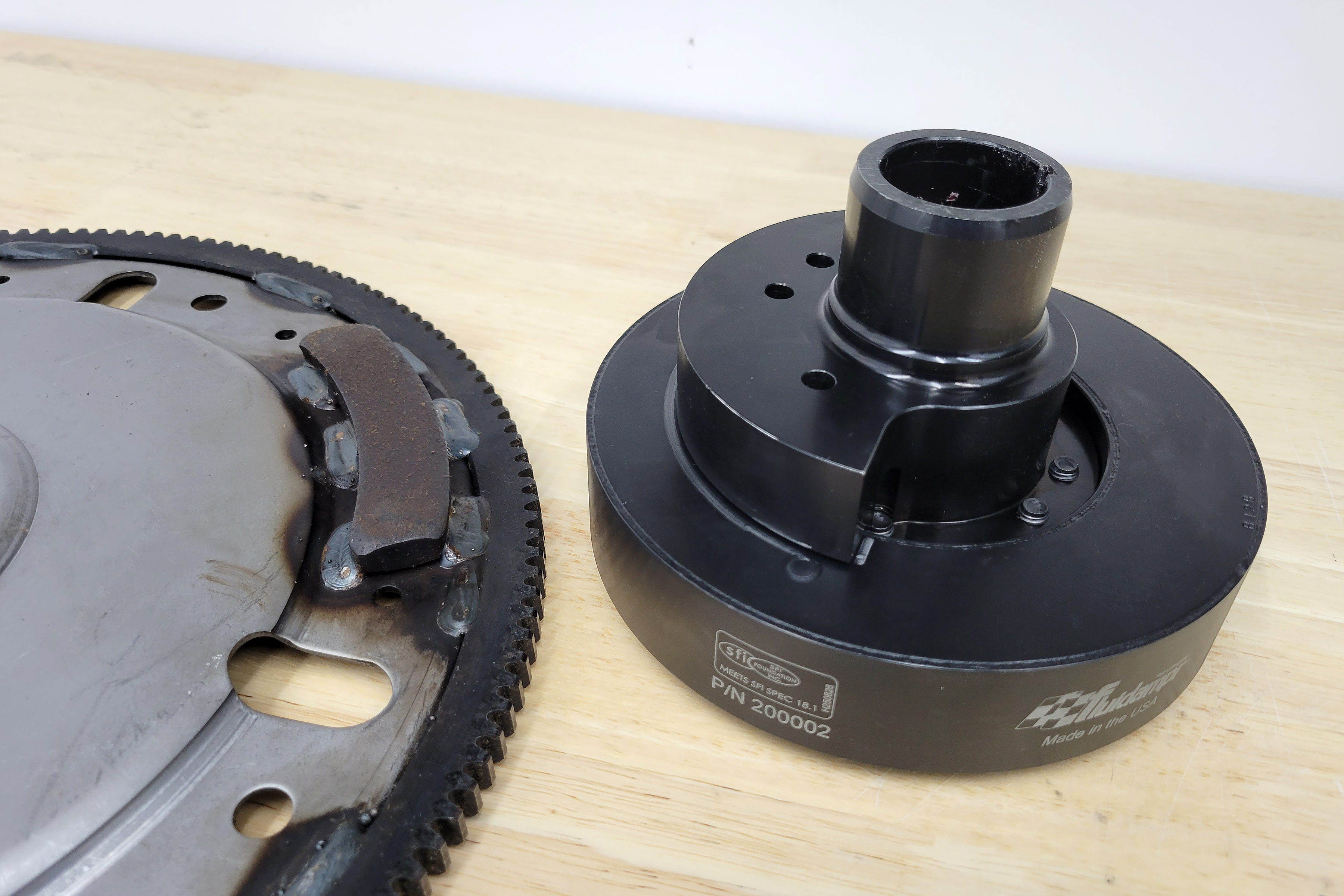
When balancing a rotating assembly, most shops want to have the balancer present. Since all of the components of a Fluidampr performance damper are precision balanced during the manufacturing process, it's not critical that the damper be part of the process. In fact, balancing a rotating assembly with a Fluidampr or Streetdampr installed is not recommended.A
balance machine does not generate crankshaft torsional vibration. Therefore the shear forces needed on the internal inertia ring are not present. This will cause a slight imbalance reading when being spun on a balancer with no load. On a running engine, the inertia ring will be centered and in rotational balance.However, when you are in an external balance situation, you absolutely need that external counterweight during balancing. With a two-piece Fluidampr, you can separate the weight and hub from the balancer and include the counterweight during balancing. For external balance, one-piece Fluidampr products, the OEM unit may be used as a substitute.
|
|
|
|
|
|
|
|
|
|
|
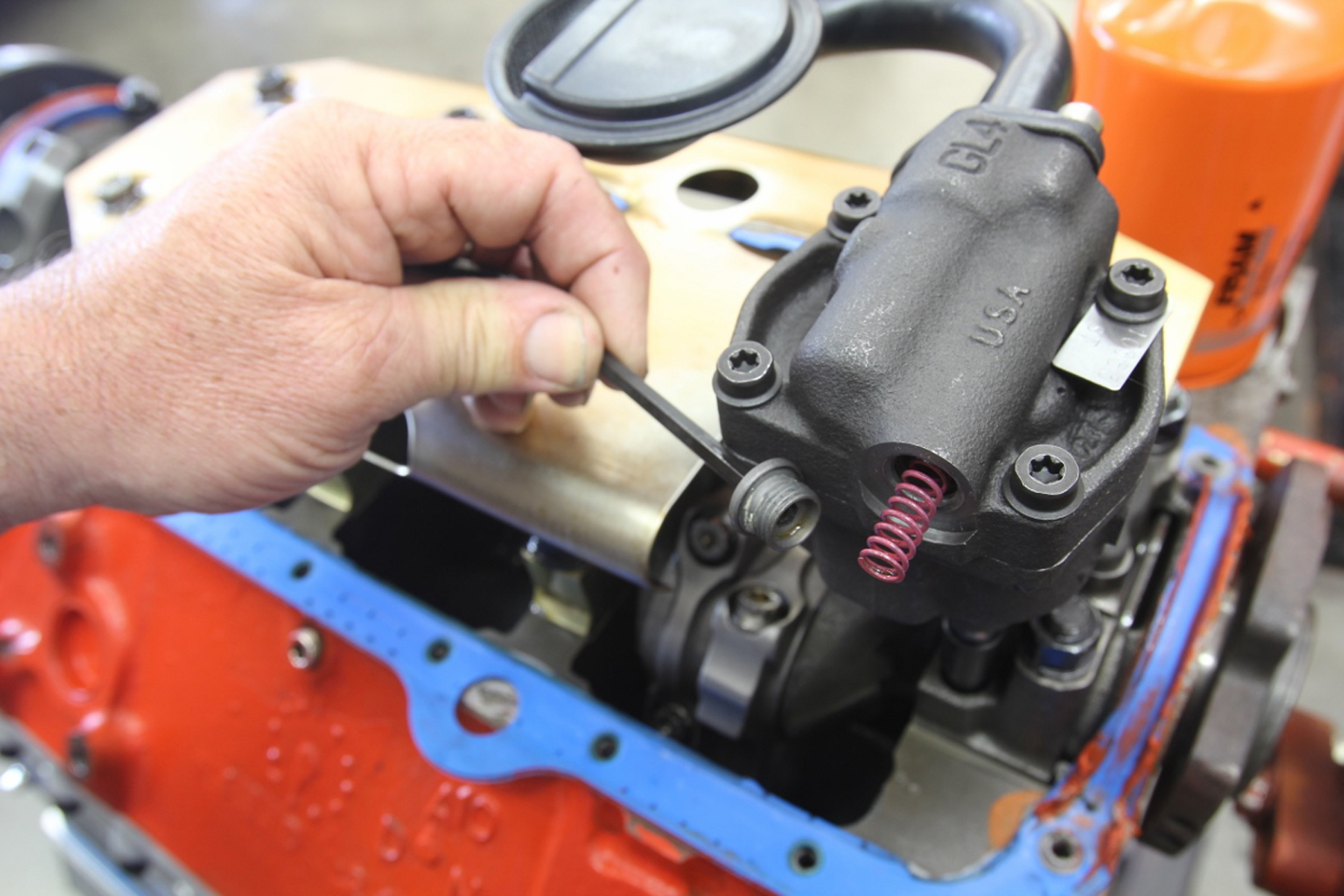
Oil pumps produce flow, and the flow restrictions within the engine are what build the pressure. However, a pressure-relief valve in the pump actually regulates the allowable pressure. If your engine is experiencing low oil pressure, it is usually caused by a leak or excessive wear in the engine (think oversized bearing clearance or worn bearings as an example of a leak). When this occurs, many enthusiasts
believe adding a high-volume pump will help.The flow and pressure of engine oil created by the oil pump need to fit the parameters of the application. There is an old rule of thumb that an engine needs about 10 psi of oil pressure for every 1,000 rpm. That guideline is still a good rule to follow. High-volume oil pumps have taller gears and typically flow about 15- to 20-percent-more oil than a comparable stock pump. There are a lot of variables that can affect how much oil volume or pressure a pump can deliver. For that reason, it’s nearly impossible to say whether a high-volume or high-pressure pump is right for a blanket application.
|
|
|
|
|
|
|
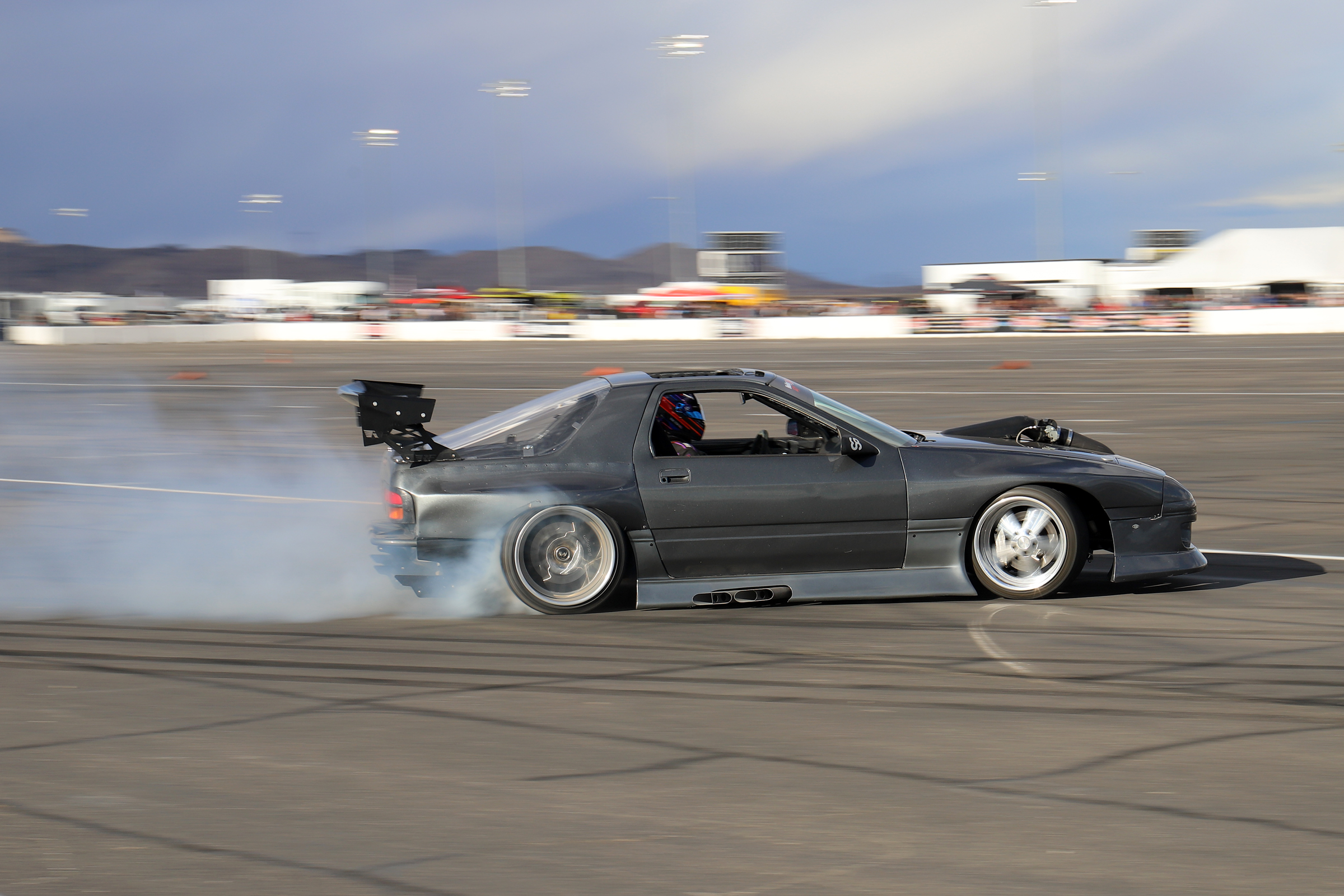
Once again, we're back from attending Holley's LS Fest West event in Las Vegas, Nevada. Even though we've been before, the event still surprises us with the sheer level of diversity surrounding the Gen-III/IV small-block Chevrolet engine. The number of different brands of vehicles with the engine swapped in, let alone all the different disciplines being practiced at the event is just mind-blowing.
Between the off-road truck jumping, autocrossing, drifting, drag racing, and car
show, the number of non-General Motors vehicles could legitimately be approaching 50-percent the number of vehicles originally equipped with an LS or LT engine. Between the huge amount of aftermarket support and the fact that the darn things fit in just about anything, it's really no surprise that the LS is widely regarded as the most popular engine of all time. So, the next time you wonder why it seems like you see so much about the LS engine, just look at any of Holley's LS Fest events for your answer.
|
|
|
|
|
We've got this one in the bag!
Well, as they say, "all good things must come to an end," but only for a week! Check your inbox for the next issue of Lab Notes next Monday. And in the meantime, be sure to let me know if you find anything interesting or have a cool idea for an article. Until then, keep your oil pressure up!
About this guy ^^^ : Greg Acosta
Greg has spent seventeen years and counting in automotive publishing, with most of his work having a very technical focus. Always interested in how things work, he enjoys sharing his passion for automotive technology with the reader.
|
|
|
|
|
|
|
|
|
|
|
To update your subscription, click here.
If you no longer wish to receive this newsletter, you may unsubscribe.
© 2021 Power Automedia. All rights reserved.
|
|
|
|
|
| Power Automedia, 43460 Ridge Park Dr, Suite 170, Temecula, CA 92562, USA
|
|
|
|
|